
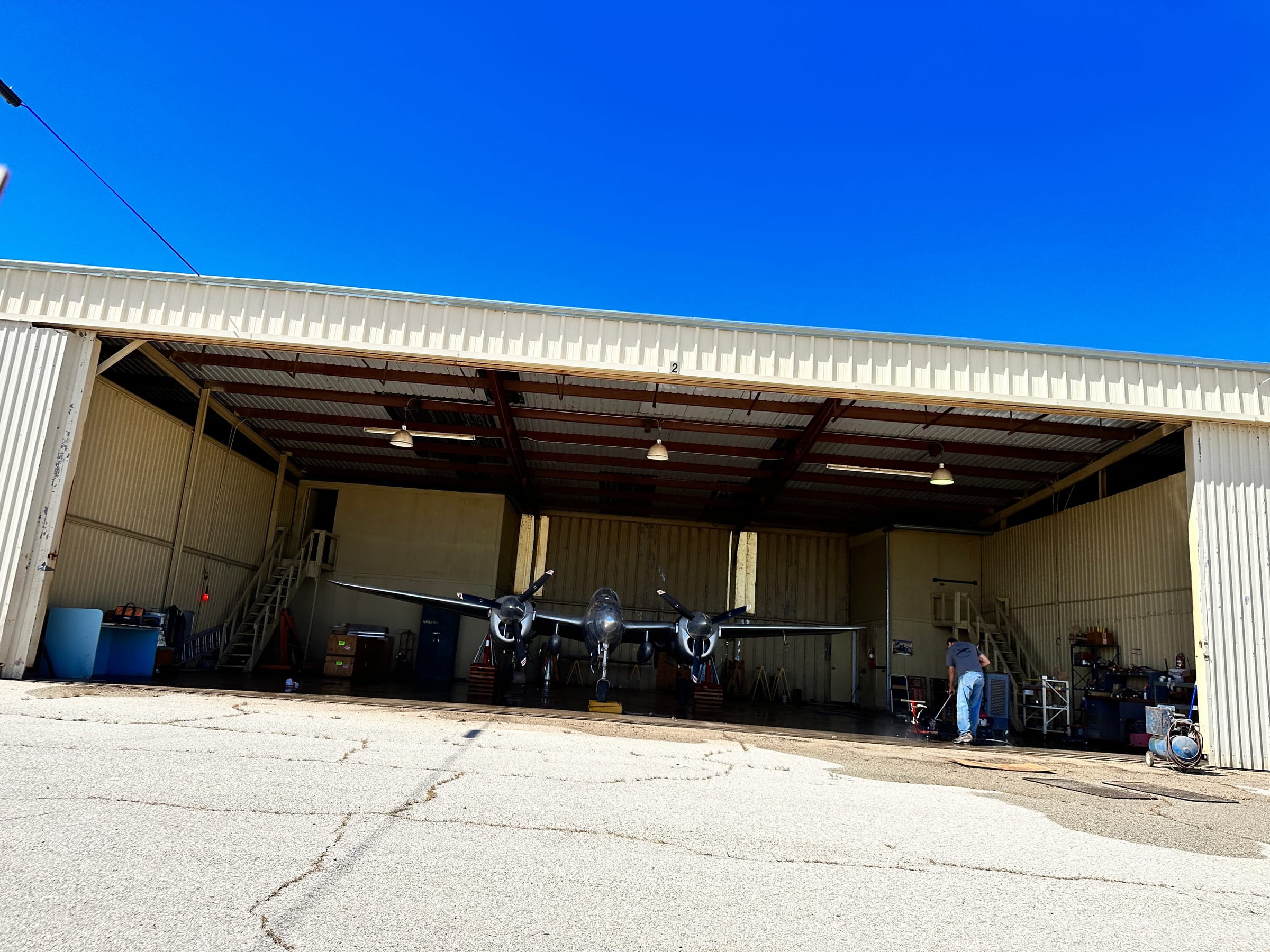
Nobody plans to be AOG
An aircraft on ground (AOG) situation is stressful precisely because it happens when you least expect it, usually far from your home shop and your own tools. The good news is that a calm, methodical response gets you back in the air faster than scrambling. Here's how to handle it.
First, stabilize the situation
- Secure the aircraft. Get it tied down or hangared and out of the way.
- Don't let anyone start guessing. Well-meaning troubleshooting can turn a simple fault into a bigger one. Wait for a plan.
- Take care of yourself. Sort out lodging if needed so you can think clearly and aren't tempted to rush a bad decision.
Document everything while it's fresh
The single most useful thing you can do is capture exactly what happened. A technician who can't see the aircraft relies on your description, so:
- Note what you were doing when the problem appeared.
- Photograph any warning messages, breaker positions, or displays.
- Write down what's working and what isn't.
Good notes often cut diagnosis time dramatically.
Get the right help to you
For a lot of avionics problems, you don't have to ferry the aircraft home. On-site AOG support means a technician can travel to your aircraft, diagnose the fault, and often fix it where it sits. When a repair on the road isn't possible, at least you'll have a clear picture of what's wrong and what it takes to get home safely and legally.
Plan ahead a little
Keep a shop's contact information in your flight bag before you need it, along with your aircraft's key documents. Being AOG is never fun, but knowing who to call turns a crisis into an inconvenience.
Stuck somewhere now, or want a contact for when you are? Reach out for a quote and we'll talk through your options.