
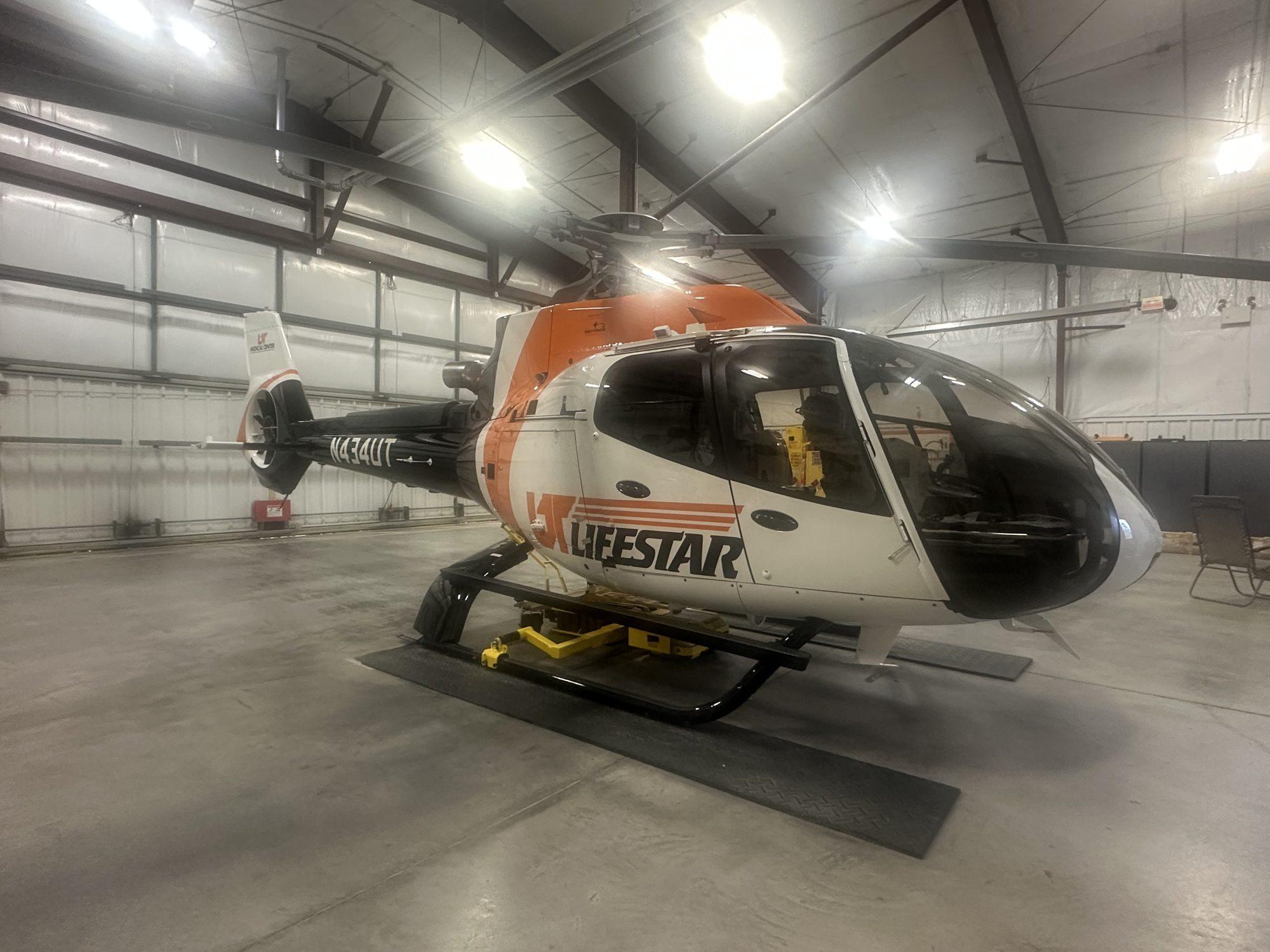
Fleets have different priorities
For a charter or Part 135 operator, avionics decisions aren't really about any single airplane. They're about keeping a fleet compliant, standardized, and available. A panel choice that makes sense for one owner-flown aircraft can create real headaches when it's one of eight tails that pilots rotate through and dispatch has to keep flying. A fleet program approaches the problem differently.
Standardize the panels
The biggest lever for a fleet is consistency. When aircraft share the same avionics configuration, several things get easier:
- Pilots move between aircraft with minimal retraining.
- Spares and line troubleshooting are simpler.
- Configuration and database management is uniform.
- Maintenance is more predictable and easier to budget.
Getting there is often a phased effort, bringing each tail toward a common standard as it cycles through the shop.
Stay ahead of recurring requirements
Fleets live and die by recurring compliance. Items like the 24-month pitot-static and transponder certification come due on every aircraft, and a lapse grounds a revenue tail. A fleet program tracks these dates and staggers the work so aircraft come due in a manageable rhythm rather than all at once.
Manage downtime deliberately
Every hour an aircraft is in the shop is an hour it isn't earning. We plan fleet work around your operation: scheduling during natural gaps, pre-staging parts so the aircraft isn't waiting, and grouping tasks so a tail is only opened up once. The goal is always to keep the maximum number of aircraft available.
Build a program that fits
No two operators run the same way, so a fleet avionics program should be built around your routes, your utilization, and your budget.
Ready to talk fleet standardization and scheduling? Request a quote and we'll build a program around your operation.